01
Structures of Power
How micro-inequities and micro-advantages accumulate quietly inside institutions, shaping who is heard, promoted, believed, and left out.
Second Edition · September 3, 2026
Identifying and Navigating Unconscious Judgments in Our Daily Lives
To be human is to be biased — especially now, when our technologies and our politics reinforce our unconscious reactions faster than we can notice them.
Howard J. Ross and Jake RossForeword by john a. powell
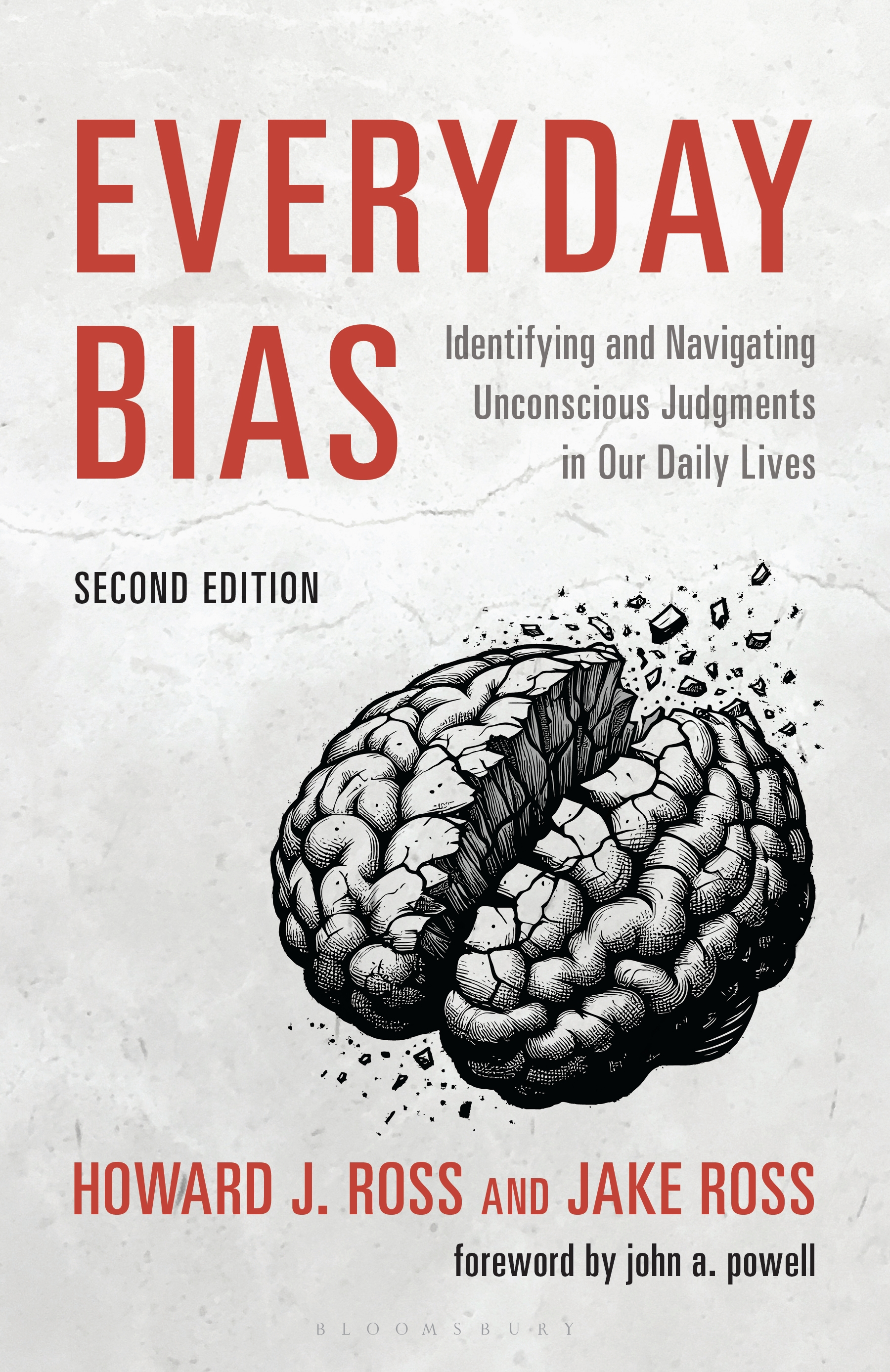
About the book
Most people do not see themselves as biased toward people different from themselves, yet disparities and dangerous prejudices still run rampant. Why is that? And is there anything we can do about it?
Building on the transformational lessons of the bestselling Everyday Bias, Howard J. Ross and Jake Ross reveal how bias is built into our increasingly digital lives — and how we must fight against the epidemic of isolation and loneliness tearing apart our sense of connection and belonging.
Learning to see bias and disengage from it, Howard and Jake show us how to break destructive cognitive patterns to create healthier, more conscious relationships and organizations, in our personal and professional lives alike.
New in the second edition
01
How micro-inequities and micro-advantages accumulate quietly inside institutions, shaping who is heard, promoted, believed, and left out.
02
How platforms engineered for engagement manufacture isolation, corrode trust, and let misinformation travel faster than correction.
03
The prejudices we are training into machines — and the ways automated judgment hardens human assumptions into infrastructure.
Praise
“We are certain we are 'one' person, not a thousand different selves reacting unconsciously to thousands of different stimuli. Everyday Bias is an important guide to seeing oneself the way others might.”
“This book should be on every executive's desk. Howard and Jake Ross cut through the noise with clarity and compassion, reminding us that bias isn't a flaw in a few bad people, it's a feature of every human brain.”
“Critically valuable in the era where AI technologies are becoming pervasive. This book will be valuable both to users and developers of AI technologies who want to better understand how these systems risk perpetuating the bias that is already ubiquitous in the world.”
“The writing style is so warm and welcoming, that even when explaining complicated concepts, it's hard to put the book down. Highly recommended for those who want to make the world a kinder and more just place.”
“The P.A.U.S.E. model is a groundbreaking shift in how to reconcile bias in an empowering way that will create stronger organizations and nations, better equipped to leverage the strength of difference.”
“At once deeply human and sharply contemporary, this is a vital guide for anyone seeking to navigate a complex world with greater wisdom, compassion and responsibility.”
The authors
A lifelong social justice advocate and founding partner of the diversity consulting firm Cook Ross, Howard is the author of Reinventing Diversity and Our Search for Belonging. His work has appeared in the Harvard Business Review, the Washington Post, the New York Times, and Forbes, and he has advised Fortune 500 companies across many industries. He lives in the Shenandoah Valley, just west of Washington, DC.
A specialist in interpersonal psychology with a background in the exploration of belonging and well-being. Through his practice, BelongTogether, he advises organizations, startups, and individuals on building cultures of belonging. He lives in San Francisco, California.
Order